

Where is Russia Today?
Casting a light on global Russian military activity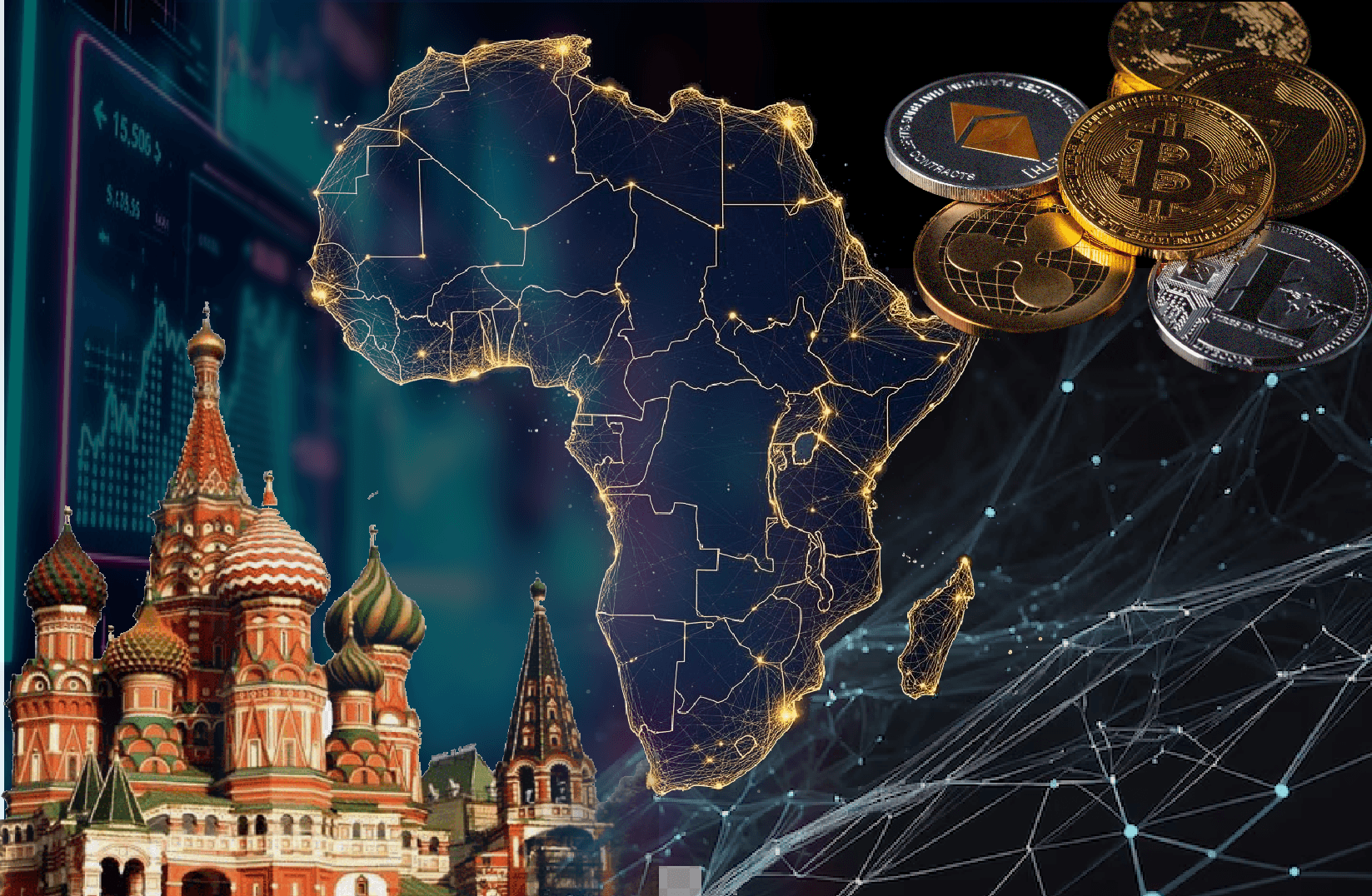
Russia’s A7 Network: Building a Financial Bridgehead in Africa
News reports reveal a growing Russian financial footprint in Africa, spearheaded by the A7 network. Established in 2024, A7 was initially designed as a sanctions-resilient payment and cryptocurrency infrastructure, and is now rapidly expanding across the continent, becoming a key component of Moscow’s broader strategic objectives. Rather than just another fintech venture, it represents an attempt to build parallel international financial structures, lessening dependence on Western-led systems.
Ilan Shor fled Moldova after being linked to the 2014 banking scandal that wiped out roughly $1 billion and was later convicted of fraud; he is sanctioned by the U.S., U.K. and EU for corruption and Russian influence. In 2024 he became the majority owner of A7, co owned by state bank Promsvyazbank.
What is A7?
The A7 network functions as an alternative payment system, facilitating cross-border transactions and trade, particularly for economies facing restrictions. Its appeal to African nations stems from expanding access to cross-border transactions and encouraging experimentation with digital finance.
Africa presents a fertile ground for A7’s expansion due to its rapidly growing digital finance markets, increasing cryptocurrency adoption, and limited integration with Western banking structures in some regions. Nigeria stands out as a particularly attractive market, boasting Africa’s largest economy and one of the continent’s most active crypto scenes, providing a strong base for A7 to test and expand.
Expanding Presence
Moscow’s wider push into Africa, extending beyond the A7 digital payments network, encompasses security agreements, arms sales, mining partnerships, political consulting, energy investments and military cooperation.
Countries across the Sahel, Southern Africa and West Africa are becoming increasingly important to Russian foreign policy as relations with the West cool. In this context, Africa has become a key pillar of Russia’s international strategy: Moscow is actively seeking new trade partners, diplomatic alliances and financial channels that sit outside Western influence, while the continent’s rapidly growing digital finance markets, expanding cryptocurrency adoption and limited integration with Western banking structures create fertile ground for alternative financial systems.
Nigeria
A7’s expansion into Nigeria has been particularly visible. Public launch ceremonies in 2025 were attended by Russian officials, including representatives from Promsvyazbank and Russia's Finance Ministry, demonstrating strong state backing.
Togo and Madagascar
Evidence also suggests that A7 is exploring expansion into other African countries. A vacancy advertisement seeking a project manager in Togo was reported in early 2026. Meanwhile, investigators reported that a delegation linked to A7 may have visited Madagascar and Togo in January 2026. These visits coincided with increased Russian diplomatic and military activity in both countries, including the growing role of Russia’s Africa Corps in Madagascar.
Although no public evidence proves direct coordination between A7 and Russian military operations, analysts argue that the timing of the expansion reflects Moscow’s broader effort to combine financial, diplomatic, and strategic influence in Africa.
Risks and Concerns
Concerns exist regarding secondary‑sanctions risks, the potential for money‑laundering, weak regulatory oversight, and increased geopolitical dependence on Moscow. The A7 network gives Russia and its allies a back‑door for bypassing sanctions and keeping trade flowing. By leveraging cryptocurrency and other opaque mechanisms - the A7 platform not only skirts Western restrictions but also deepens Moscow’s influence in African economies, where it finances infrastructure projects, mining concessions and security outfits that further cement its presence.
In Brief
The rise of A7 in Africa signals a larger trend: Russia is actively building alternatives to Western-dominated financial systems. The network, founded in 2024, offers a way for Russia and its partners to bypass sanctions and facilitate trade using cryptocurrency and other mechanisms. Nigeria, with its large economy and vibrant crypto market, is a key testbed for this expansion. While offering potential economic benefits, A7’s presence also raises questions about future financial transparency, regulatory oversight, and Moscow’s broader geopolitical ambitions on the continent. Ultimately, A7's growth reflects a shifting global landscape where alternative financial networks are playing an increasingly important role.
